
Sexy Corsets














About our Sexy Corsets
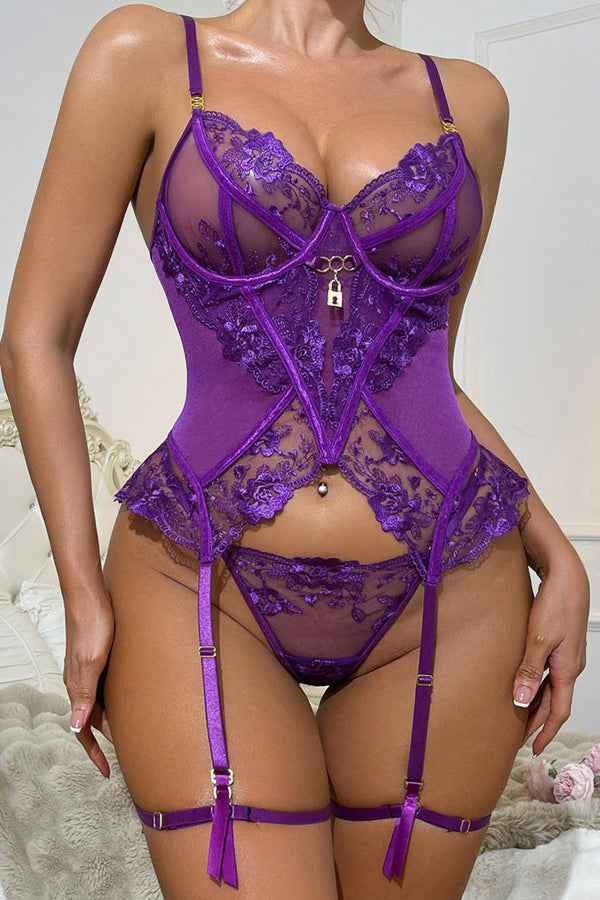
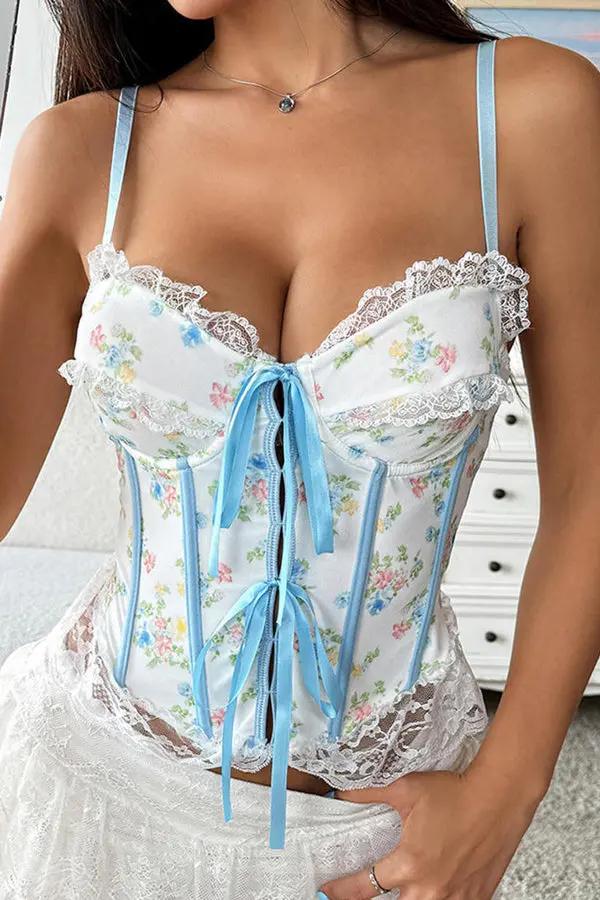
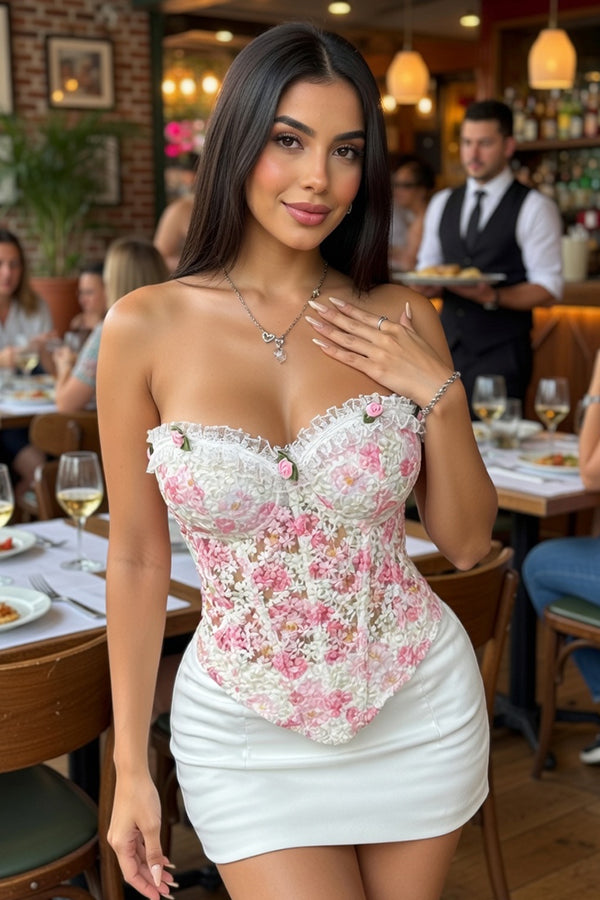
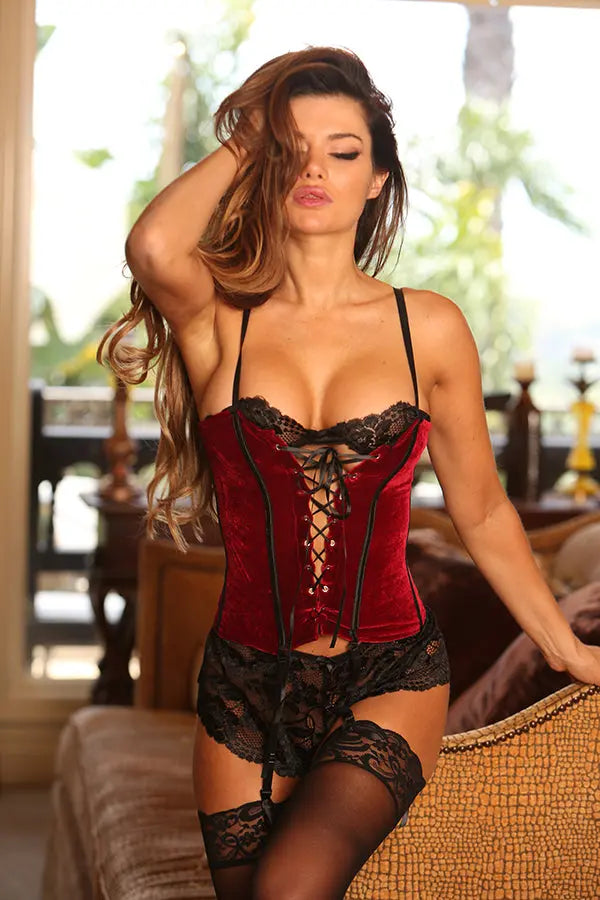
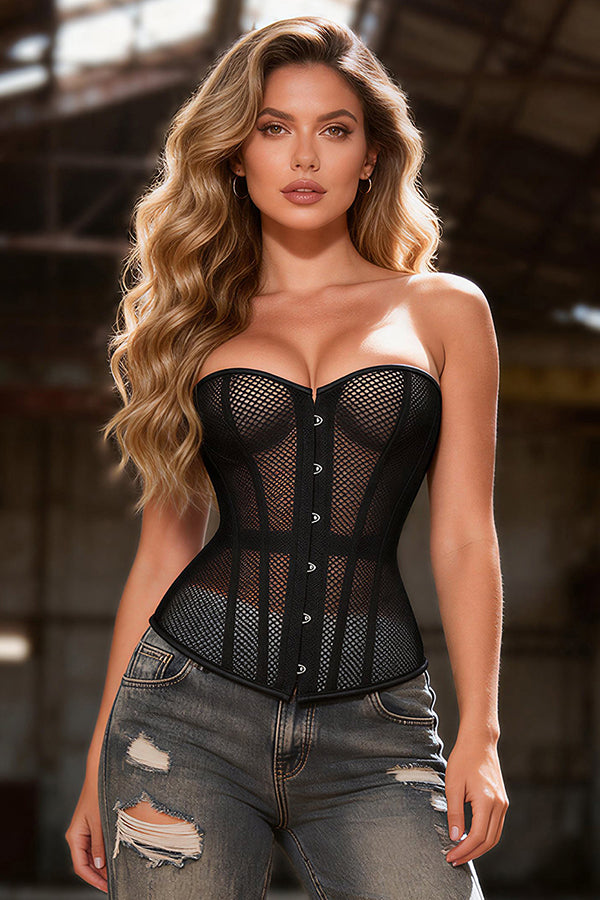
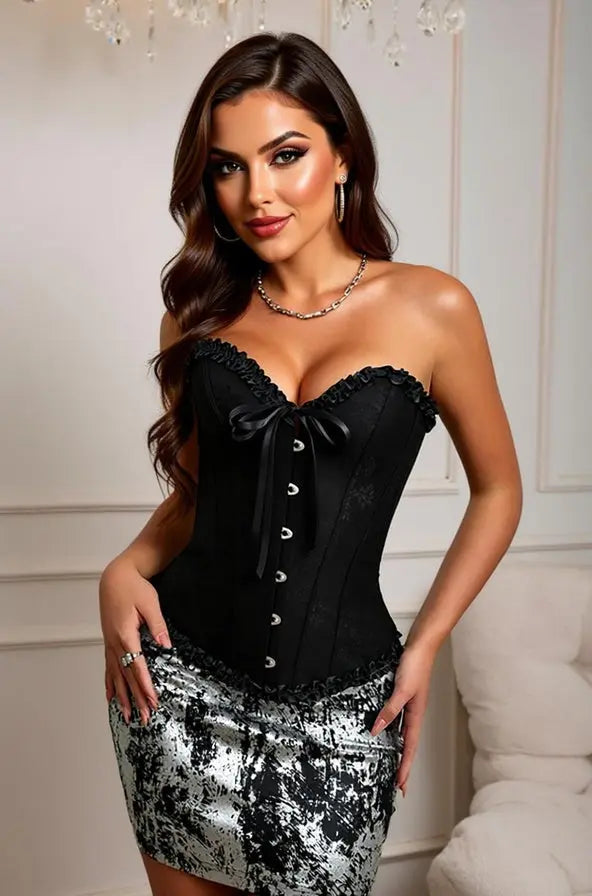
Who doesn’t love a good corset? These ultra-flattering lingerie essentials are designed to help you shape your figure into a picture-perfect hourglass and to highlight your best assets — your bust and booty. Corsets are tightly fitting garments that generally extend from below the chest to the hips, with lacing and boning to create a sexy, slimming silhouette. Choose corsets, bustiers and corset-inspired tank tops from this amazing selection of sexy corsets at Lingerie Diva for a style that suits your personality. With hundreds of styles to choose from, we’re sure you’ll find the ideal style for your vision, budget and body shape in our selection.
If you’re looking for a classic corset, you’ve come to the right place. We have a large variety of slimming corsets featuring curve-hugging boning and lacing either at the front or back for that traditional, Victorian appeal. Although they’re designed to temporarily slim the figure and boost the bust, they’re much more comfortable than those stiff, old-fashioned styles from the Victorian Era. Choose loose-fitting corsets and corset tops made from soft satin, lace and leather for a super-sexy look that won’t leave you grasping for air.
We have the right lingerie corset for your personal style at Lingerie diva, including adorable corset costumes — sexy bunnies, magicians and nurses, to name a few — for all those nights where you want to step into someone else’s shoes. We also have more casual and trendy corsets and corset tops that you can style down with a pair of jeans for a hot going-out look! Make Lingerie Diva your first stop for corsets, lingerie, adult costumes and more. Our unmatched collection, low prices and dedication to customer satisfaction will help ensure that your experience is flawless.